Understanding Fluid Dynamics in Mechanical Dispensing Systems
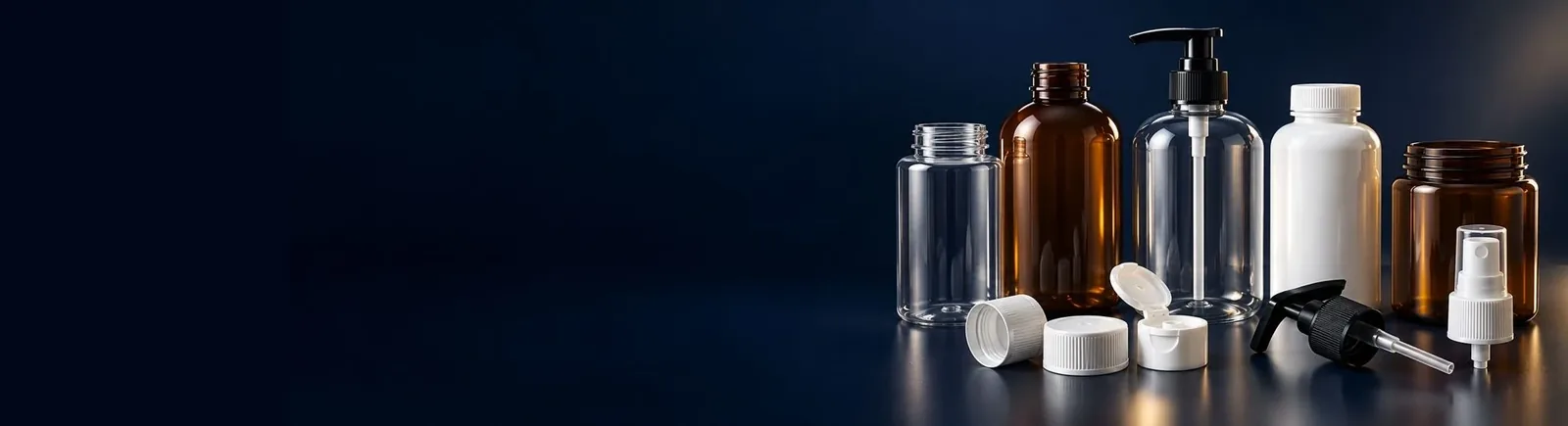
Pairing a container with an incompatible closure is the leading cause of consumer dissatisfaction in personal care and cosmetic products. Issues such as actuator priming failure, nozzle spitting, and closure leakages during air transit occur when liquid rheology does not align with the pump's chamber volume, ball valve density, and spring tension.
Viscosity Thresholds & Output Specifications
| Dispenser Type | Target Viscosity Range | Standard Output Dosage | Common Neck Finishes |
|---|---|---|---|
| Fine-Mist Sprayer | 1 – 150 cPs (Water-thin liquids) | 0.12ml – 0.20ml per stroke | 18/410, 20/410, 24/410 |
| Treatment Serum Pump | 150 – 5,000 cPs (Light gels, oils) | 0.20ml – 0.50ml per stroke | 18/410, 20/410 |
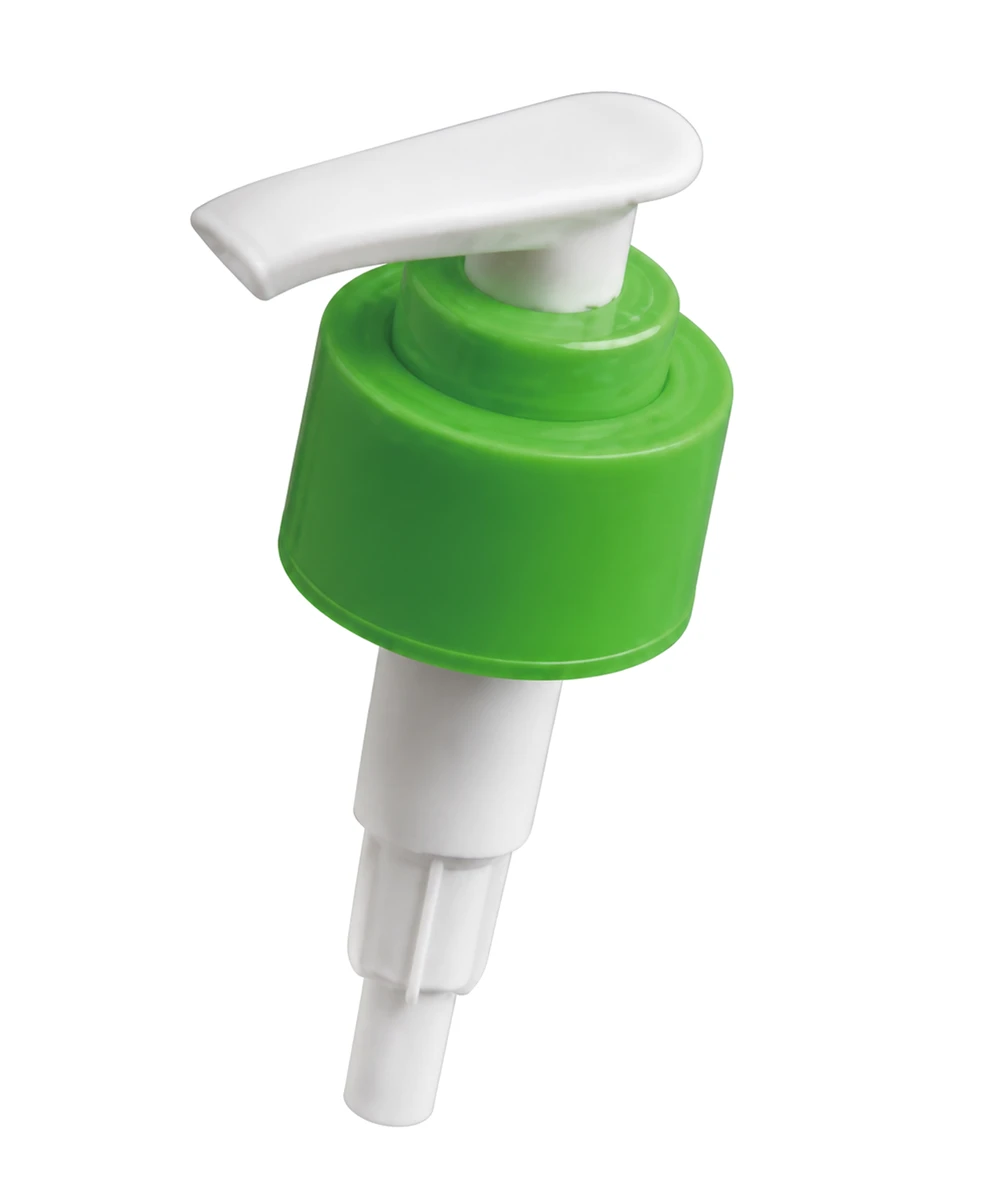
| Standard Lotion Pump | 5,000 – 45,000 cPs (Emulsions, creams) | 1.20ml – 2.00ml per stroke | 24/410, 28/410, 33/410 |
External Spring vs. Product-Contact Springs
For sensitive cosmeceutical formulations containing active acids (AHAs, BHAs) or high electrolyte content, standard stainless steel springs (SUS304) may undergo micro-corrosion or oxidize over prolonged shelf-life. TrueNorth supplies specialized External Spring Pumps where the metal spring is positioned entirely outside the liquid flow path, ensuring 100% purity and neutral ingredient contact.
Pre-Shipment Seal Integrity Verification
All TrueNorth dispensing closures undergo automated vacuum-chamber leak testing at -0.06 MPa for 5 continuous minutes, followed by 360-degree inversion testing to guarantee 100% leak-proof transit across marine export containers and commercial e-commerce shipments.